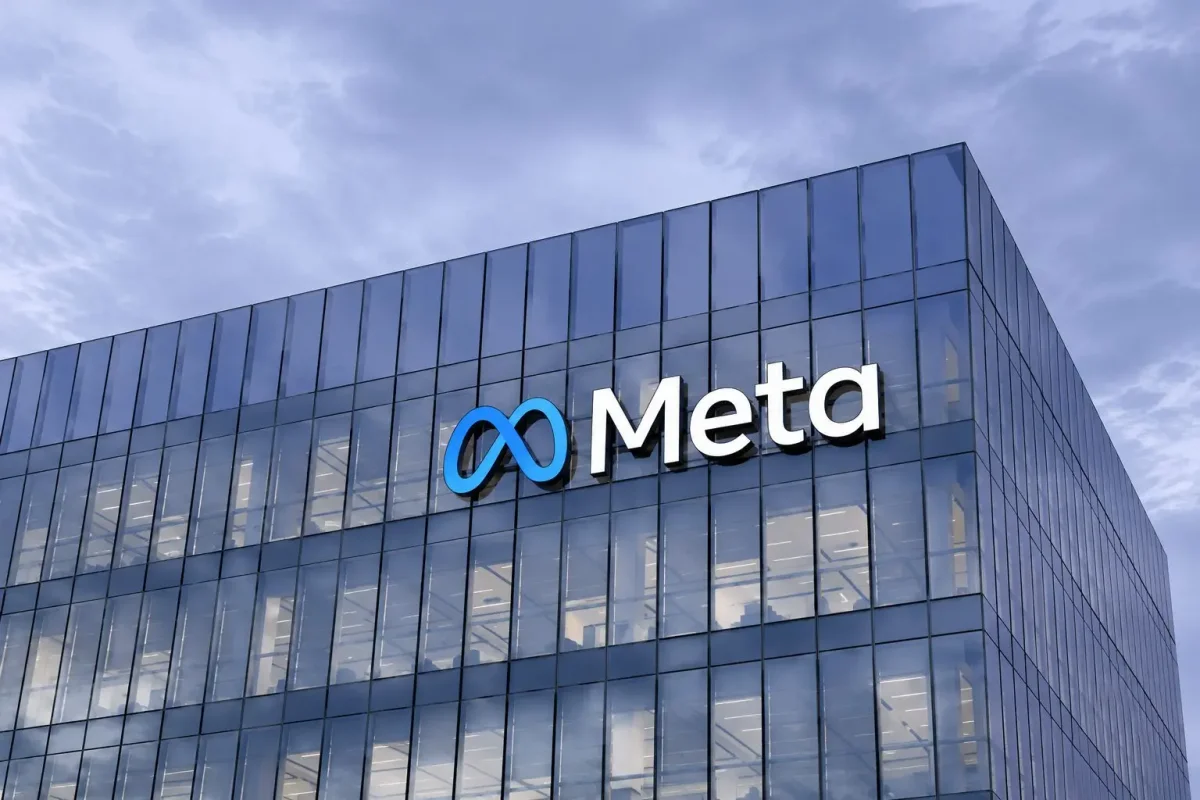
Meta Platforms Inc (META.O) experienced a notable decline on Monday, with shares falling 4.3% to $605.45, hovering near the session's low. This drop occurred even as the broader technology sector saw gains, with the S&P 500 and Nasdaq indexes rising, buoyed by a 2.6% increase in technology shares and a rally in Nvidia following its new AI chip launch.
Why Meta's Slide Stands Out
The divergence from the tech rally highlights growing investor unease about Meta's aggressive capital expenditure plans. The company raised its 2026 capital spending forecast to between $125 billion and $145 billion, up from a previous range of $115 billion to $135 billion. This increase comes despite strong first-quarter results, which showed revenue of $56.31 billion, up 33% year-over-year, with ad impressions rising 19% and average ad prices climbing 12%. CEO Mark Zuckerberg described the quarter as a "milestone quarter" with "strong momentum across our apps."
Wall Street's Growing Skepticism
Bank of America's chief U.S. stock strategist, Savita Subramanian, added to the debate by advising clients to "own capex takers" like chip and hardware companies, while avoiding "crowded AI spenders" with higher macro risk. The bank noted that Meta, along with Alphabet, Amazon, Microsoft, and Oracle, have collectively announced plans to spend $725 billion this year on AI capacity. This has shifted Meta's market perception from a pure advertising company to a large-scale AI infrastructure builder, a narrative that demands proof of returns.
Market Context and Competitor Moves
While Meta's stock fell, Nvidia, a key supplier to AI infrastructure, rose 6.4%. Meanwhile, Amazon dropped 3.0% and Alphabet slipped 0.7%, indicating that the market is differentiating between companies that benefit from AI spending and those that fund it. This polarization within Big Tech underscores the challenge for Meta: strong ad sales support its spending, but investors want evidence that AI tools will continue to lift prices, engagement, and advertiser returns quickly enough to justify the massive outlays.
Regulatory Overhang
Regulatory concerns also weighed on the stock. Reuters reported that Meta's employee computer-usage tool, called Model Capability Initiative, can capture communications involving non-U.S. staff, raising questions under European privacy rules. Meta spokesperson Dave Arnold stated that the company had mitigated privacy risks and is "committed to complying" with applicable laws. However, Kleanthi Sardeli of privacy group NOYB argued that using work chats for an AI model appeared "incompatible with that initial purpose."
Dividend Announcement
Meta declared a quarterly cash dividend of $0.525 per share, payable June 25 to shareholders of record as of June 15. While this underscores the company's cash generation, it is not large enough to alter the spending debate.
The Bottom Line
If Meta continues to raise its infrastructure spending, ad growth slows, or regulators impose changes on data collection and use, investors may demand a lower valuation even without a collapse in the core business. Monday's drop suggests some are already pricing in that risk. For now, the market is drawing a sharper line inside Big Tech: AI remains a reason to own many shares, but it is also becoming a reason for some to sell first and wait for the return on investment later.