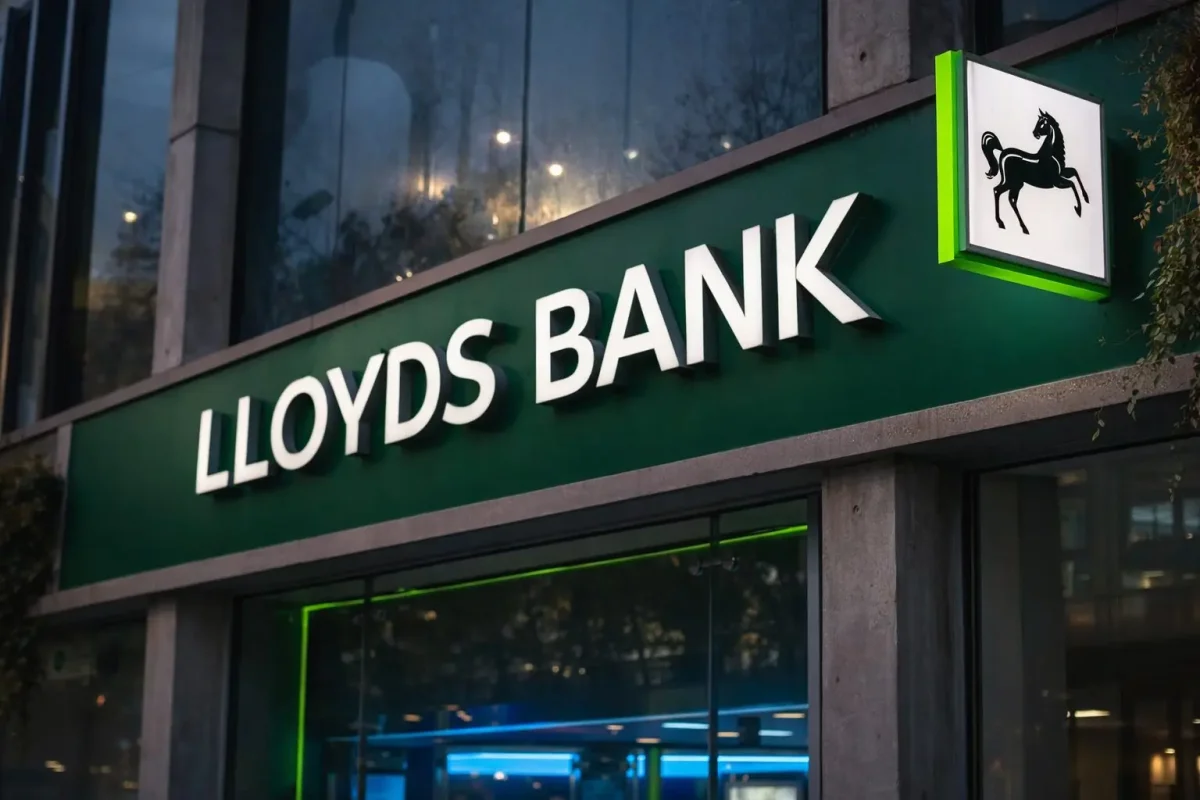
Shares of Lloyds Banking Group declined sharply during Tuesday's trading session in London, extending a broader downturn for UK financial institutions. The stock retreated 2.06% to 97.86 pence, after closing the previous session at 99.92 pence. The sell-off reflects mounting investor anxiety over persistent inflationary pressures and the uncertain path for monetary policy, rather than any company-specific development.
Macroeconomic Forces Drive Bank Stock Volatility
The movement in Lloyds and its peers is being dictated by the same large-scale economic trends currently influencing oil markets, bond yields, and currency valuations. As the broader financial landscape shifts, market participants are actively reassessing prospects for economic growth, potential loan defaults, and the timing of anticipated interest rate reductions. Lloyds is particularly sensitive to these dynamics due to its concentrated exposure to the UK economy and its substantial mortgage portfolio. Changes in the Bank of England's base rate directly affect both the bank's willingness to lend and the repayment capacity of its customers.
Oil Spike and Geopolitical Tensions Rattle Markets
UK equities experienced significant pressure on Monday as a global risk-off sentiment swept through financial markets, fueled by escalating tensions in the Middle East. The price of oil jumped nearly 7%, prompting a flight to traditional safe-haven assets. Analysts warn that prolonged turmoil could reignite inflation concerns, potentially derailing hopes for near-term monetary easing. Dan Coatsworth, head of markets at AJ Bell, highlighted this risk, noting that sustained energy market disruption could delay central bank rate cuts.
This shift in sentiment is clearly reflected in interest rate futures. Money markets now price in only a 52% probability of a Bank of England rate cut at its March meeting, a substantial decline from approximately 78% just one week prior. This repricing underscores how quickly changing inflation expectations can alter the monetary policy outlook.
Fiscal and Monetary Policy in Focus
Investor attention is also fixed on the UK's policy calendar. Finance Minister Rachel Reeves is expected to maintain a cautious stance in Tuesday's budget update, aiming to avoid unsettling bond investors who are already nervous about inflation. "If anything, she will probably be trying to keep the Spring Forecast as dialled back as possible," observed Ken Egan, director of European sovereign credit at Kroll Bond Rating Agency. Henry Cook, a senior economist at MUFG Bank, added that Reeves has "won a fair amount of credibility" with financial markets.
Meanwhile, debate continues within the Bank of England. Policymaker Alan Taylor recently emphasized the risk of "deficient demand" and suggested the economy might eventually require a more accommodative policy stance, illustrating the ongoing internal discussion about the appropriate path for interest rates.
Corporate Activity: Buybacks and Share Issuances
Amid the market volatility, Lloyds continued its previously announced capital management programs. Regulatory filings show the bank repurchased 28,174,401 of its ordinary shares on Monday, with prices ranging from 98.52 pence to 100.15 pence. The volume-weighted average price paid was 99.4738 pence. The bank has stated its intention to cancel all shares acquired through this buyback initiative.
In a separate disclosure, Lloyds reported it issued 220,314,633 new shares between January 19 and February 27 to fulfill obligations for employee share plans. This issuance increases the total number of shares in issue to 59,029,409,081 as of February 27. The company noted these newly issued shares are fully fungible with existing stock, meaning they trade under identical terms. While share buybacks mechanically increase earnings per share by reducing the share count, and employee share issuances dilute it, neither factor is currently the primary driver of the stock price. Instead, Lloyds shares are trading largely as a proxy for interest rate and macroeconomic risk sentiment.
Outlook and Key Risks
The path forward for Lloyds and the UK banking sector remains fraught with uncertainty. A prolonged energy price shock could severely squeeze household budgets, elevating the risk of rising bad debts, especially if mortgage demand cools concurrently. Conversely, a sudden economic downturn that forces the Bank of England to cut rates more aggressively could compress banks' net interest margins, a key profitability metric.
Investors are closely monitoring UK government bond (gilt) yields, which set the benchmark for borrowing costs across the economy. Simultaneously, the oil price chart remains a critical indicator, as its fluctuations rapidly influence inflation forecasts and, by extension, the policy calculus at the Bank of England. The central bank's next policy decision and meeting minutes, scheduled for release on March 19, will be a major focal point. Markets will be watching to see if the recently scaled-back expectations for a March rate cut persist through another period of volatility in energy and bond markets.