Meta Platforms Inc. shares staged a recovery during Monday's trading session, settling near $648 after opening with a decline of approximately 1.7%. The early selloff was triggered by renewed geopolitical tensions in the Middle East over the weekend, which prompted a broad risk-off move across financial markets.
Market-Wide Jitters
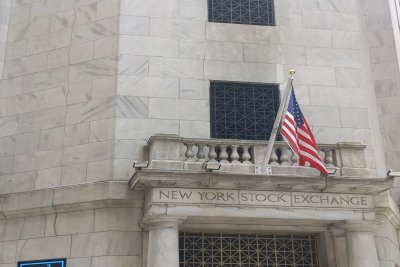
The opening bell on Wall Street saw major indexes trading lower as investors assessed the potential ramifications of escalating conflict. The primary concerns centered on threats to key global shipping lanes and the subsequent risk of reigniting inflationary pressures. In a direct response, crude oil prices surged roughly 8% at the open. The CBOE Volatility Index (VIX), a key gauge of market fear, spiked to its highest level in three months, reflecting heightened investor anxiety.
Market strategists offered contrasting perspectives on the initial reaction. "The market is taking it relatively well," noted Adam Turnquist, chief technical strategist at LPL Financial. However, Wells Fargo's Ohsung Kwon presented a more cautious outlook, warning that a sustained rise in crude oil above $100 per barrel could, in a worst-case scenario, drive the S&P 500 index down to the 6,000 level.
Tech Sector Under Pressure
The technology sector, represented by high-growth stocks like Meta, found itself particularly vulnerable. These companies often serve as proxies for broad market risk sentiment, especially during periods when investors seek to reposition portfolios rapidly. The dual pressures of potentially higher interest rates—if inflation fears resurface—and concerns over future business spending created a challenging environment.
Adding another layer of uncertainty is the ongoing integration of artificial intelligence across industries. Kristina Hooper, chief market strategist at Man Group, highlighted the ambiguity, stating, "There is very little definitive right now" regarding which sectors might be most disrupted by widening AI adoption. This technological shift represents a longer-term strategic concern for investors evaluating growth trajectories.
Meta's Ambitious Spending Plans
Against this volatile backdrop, Meta continues to pursue an aggressive investment strategy. The company has guided capital expenditures for 2026 to a range of $115 billion to $135 billion. This massive outlay is largely fueled by CEO Mark Zuckerberg's vision for achieving what he terms "personal superintelligence," underscoring the firm's deep commitment to leading the next wave of AI development.
This substantial spending plan introduces its own set of risks. Should a deteriorating macroeconomic environment lead businesses to tighten their advertising budgets—a core revenue stream for Meta—the company's simultaneous ramp-up in capital investment could pressure its financial profile. The stock's liquidity and market capitalization make it a frequent vehicle for traders to express immediate views on tech sector risk, leading to the sharp intraday rebound witnessed on Monday.
Critical Data and Events Ahead
Investor attention now pivots to two imminent events that could dictate near-term market direction. First, Meta is scheduled to present at the Morgan Stanley Technology, Media & Telecom Conference on March 4 at 11:30 a.m. PST. Management commentary at this event will be scrutinized for any updates on the AI roadmap or spending plans.
The following macro catalyst arrives on Friday, March 6, at 8:30 a.m. ET, with the release of the U.S. February jobs report by the Bureau of Labor Statistics. This data is considered pivotal for shaping expectations around the Federal Reserve's interest rate path. A strong report could further delay anticipated rate cuts, applying additional pressure to growth stocks, while a cooler reading might revive hopes for monetary policy easing later in the year.
The interplay between geopolitical events, central bank policy, and corporate execution will likely keep Meta and its tech peers in focus. The stock's recovery from Monday's lows demonstrates the market's ongoing attempt to price in these crosscurrents, but the path forward remains highly sensitive to incoming headlines and economic data.