Microsoft Corporation is navigating heightened investor scrutiny following a difficult first quarter, with its stock trading at $372.88, a marginal decline of 0.1%. The technology giant recently concluded its most challenging period on Wall Street since the 2008 financial crisis, with shares falling nearly 25% during the quarter.
Soaring Costs and Environmental Concerns
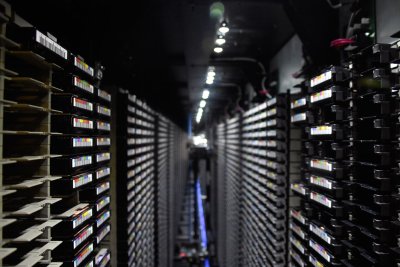
The financial burden of artificial intelligence development is a primary concern for shareholders. Microsoft reported capital expenditures of $37.5 billion for the December quarter, with approximately two-thirds allocated to short-term assets like graphics and central processing units. While revenue increased by 17% year-over-year, the cost of revenue grew at a faster pace of 19%, highlighting margin pressures. Investors are particularly focused on the substantial water and electricity demands of AI data centers, which are complicating the company's expansion plans and drawing criticism over environmental impact.
According to the Electric Power Research Institute, data centers could consume as much as 17% of U.S. electricity by the end of the decade. In response to growing community pushback, Microsoft announced measures in January to increase transparency, pledging to pay utility rates sufficient to offset its power consumption and to release water usage figures by U.S. data-center region. Company President Brad Smith emphasized the need for technology firms to "win over the local community" to continue expansion, calling it "unfair" for the public to shoulder extra AI-related electricity expenses.
Concentration Risk and Competitive Landscape
Another significant challenge for Microsoft involves concentration risk within its commercial portfolio. The company's commercial remaining performance obligation—representing future revenue already contracted—reached $625 billion, but approximately 45% of this backlog is tied to its partnership with OpenAI. This substantial exposure raises questions about diversification and dependency on a single AI provider.
Microsoft's cloud division, Azure, continues to demonstrate strength with revenue growth of 39% for the October through December period, slightly exceeding expectations. Chief Financial Officer Amy Hood noted that customer demand continues to outpace Azure's delivery capacity. However, some investors express concern that Microsoft might be allocating too much of its limited infrastructure toward developing its own AI offerings, potentially allowing competitors more opportunity to gain ground.
The competitive environment is intensifying noticeably. In late March, Microsoft expanded the rollout of its Copilot Cowork platform, introducing features that enable OpenAI and Anthropic models to validate each other's outputs within the Copilot environment. Nicole Herskowitz, Vice President for Microsoft 365 and Copilot, described this collaborative model approach as "highly attractive," particularly as competition from Google's Gemini and Anthropic's Claude Cowork platforms increases.
Infrastructure Expansion and Market Pressures
Investor pressure is beginning to materially affect data center expansion plans. Microsoft, along with Amazon and Google, faces calls for greater transparency regarding water and electricity consumption, especially after several multibillion-dollar projects encountered delays due to local opposition. Reports indicate North American data centers consumed close to 1 trillion liters of water in 2025. Analysts like Jason Qi at Calvert Research and Management argue that disclosures concerning local environmental impact remain insufficient.
External economic factors present additional challenges. Analysts at S&P Global recently warned that persistently high oil prices might force Microsoft, Amazon, Alphabet, and Meta Platforms to reconsider their collective $635 billion budget earmarked for AI infrastructure in 2026. Microsoft has taken proactive steps to address energy security, finalizing an exclusivity agreement with Chevron and Engine No. 1 to secure power generation and supply for its data centers.
Strategic Outlook and Investor Patience
Microsoft faces clear risks if adoption of its Copilot AI assistant remains uneven, or if community resistance and power grid limitations delay new construction projects. Should the company's substantial AI budgets face reduction, profit margins could experience significant pressure, potentially leading to a contraction in its valuation multiple—even as its core business maintains steady growth.
Mustafa Suleyman, Microsoft's AI lead, has stated the company aims to be "the absolute frontier" in artificial intelligence by 2027. However, the current market sentiment suggests investors are not prepared to wait several years for tangible financial results from these massive investments. The company's performance serves as a key indicator of whether the broader market enthusiasm for artificial intelligence can justify the enormous upfront capital outlays required before substantial returns materialize.