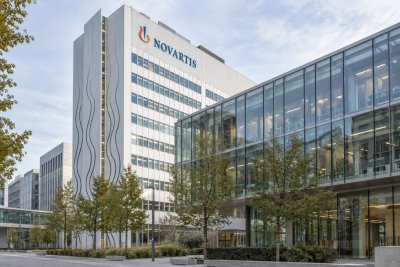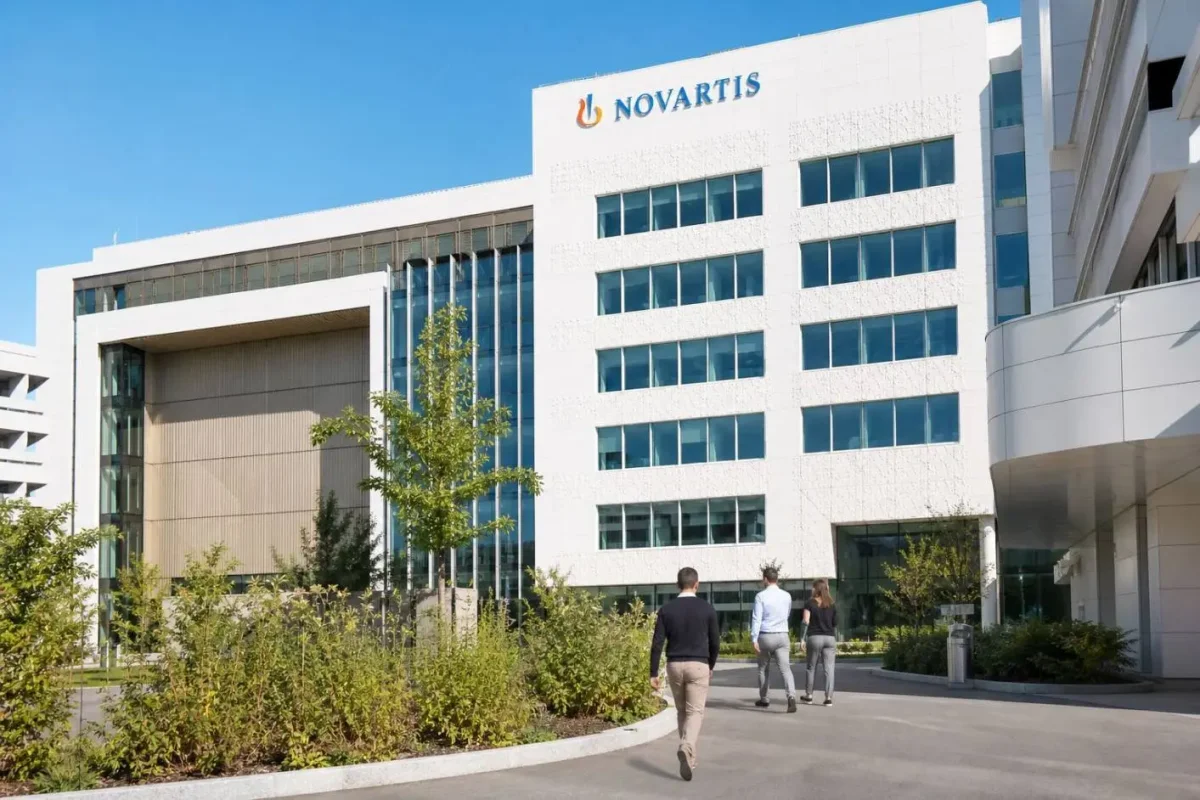
Shares of Novartis (NVS) soared on Wednesday, extending gains from a major drug-data announcement earlier in the week. The Swiss pharmaceutical giant's stock was trading at CHF130.12 by 10:13 CEST, up 5.6% from Monday's close, after the company revealed that its oral multiple sclerosis (MS) candidate, remibrutinib, met the primary endpoint in two pivotal Phase III studies.
The positive results from the REMODEL-1 and REMODEL-2 trials mark a significant milestone for Novartis's MS portfolio. Both studies evaluated remibrutinib at a 100 mg dose against teriflunomide, an established MS therapy marketed by Sanofi (SNY) as Aubagio. The trials, which enrolled approximately 2,000 adult participants, achieved their primary endpoint of reducing annualized relapse rates. Additionally, the drug showed a reduction in inflammatory brain lesions, with no liver safety concerns or Hy's Law cases reported.
These findings provide Novartis with a second growth engine in the MS space, complementing its rapidly expanding injectable therapy Kesimpta. Kesimpta generated $2.588 billion in first-half 2026 sales, up 31% year-over-year, with second-quarter revenue of $1.424 billion. The drug has been administered to over 216,000 patients since its launch. Bank of America analysts project peak annual MS sales of $3 billion for remibrutinib, a figure that represents 58% of Kesimpta's first-half sales when annualized simply. The projection is an analyst estimate and does not reflect company guidance.
The market reaction was robust. Novartis shares ended Tuesday up 6.2%, marking the largest single-day gain in several months, and continued to hold onto those gains in early trading Wednesday, albeit with a slight 0.6% retreat. The stock's performance underscores investor optimism about the drug's commercial potential and its role in offsetting upcoming patent expiries.
Remibrutinib is already marketed as Rhapsido for chronic spontaneous urticaria, a skin condition, where it recorded $101 million in first-half sales. Approval for MS would open access to a significantly larger patient population and market opportunity. Novartis's chief medical officer, Shreeram Aradhye, described the drug's profile as "differentiated," and the company plans to file for global regulatory approval after presenting full results at the MSToronto2026 conference, scheduled for October 21-23 in Toronto.
The competitive landscape adds context to the excitement. Sanofi's teriflunomide, the comparator in the trials, is a well-established oral therapy. However, Novartis's drug is being positioned against emerging oral BTK inhibitors, notably Roche's (RHHBY) fenebrutinib, which is also in development for MS. JPMorgan analysts noted that numerical outcomes from the full data will be crucial for a direct comparison with fenebrutinib.
Prior to the Phase III announcement, analyst sentiment was cautious. A survey of ten ADR recommendations through August 27 showed four "hold" ratings, with a median 12-month price target of $140.50, which was 12.9% below Tuesday's closing price of $161.25. The strong market response suggests the data exceeded expectations, but risks remain. Topline results may mask gaps in efficacy or rare safety issues, and regulators could request additional data. There is also the potential for launch to cannibalize Kesimpta sales, though the broader franchise growth is expected to outweigh any internal displacement.
Novartis's MS revenue bridge now includes Kesimpta's $2.588 billion in H1 2026 sales, Rhapsido's $101 million, and the projected $3 billion peak for remibrutinib in MS. The company's ability to deliver on this pipeline will be closely watched by investors as it navigates a period of patent expiries for key drugs. With the full data readout just weeks away, the market will be looking for confirmation of the drug's efficacy and safety profile, which could solidify Novartis's position in the competitive MS market.