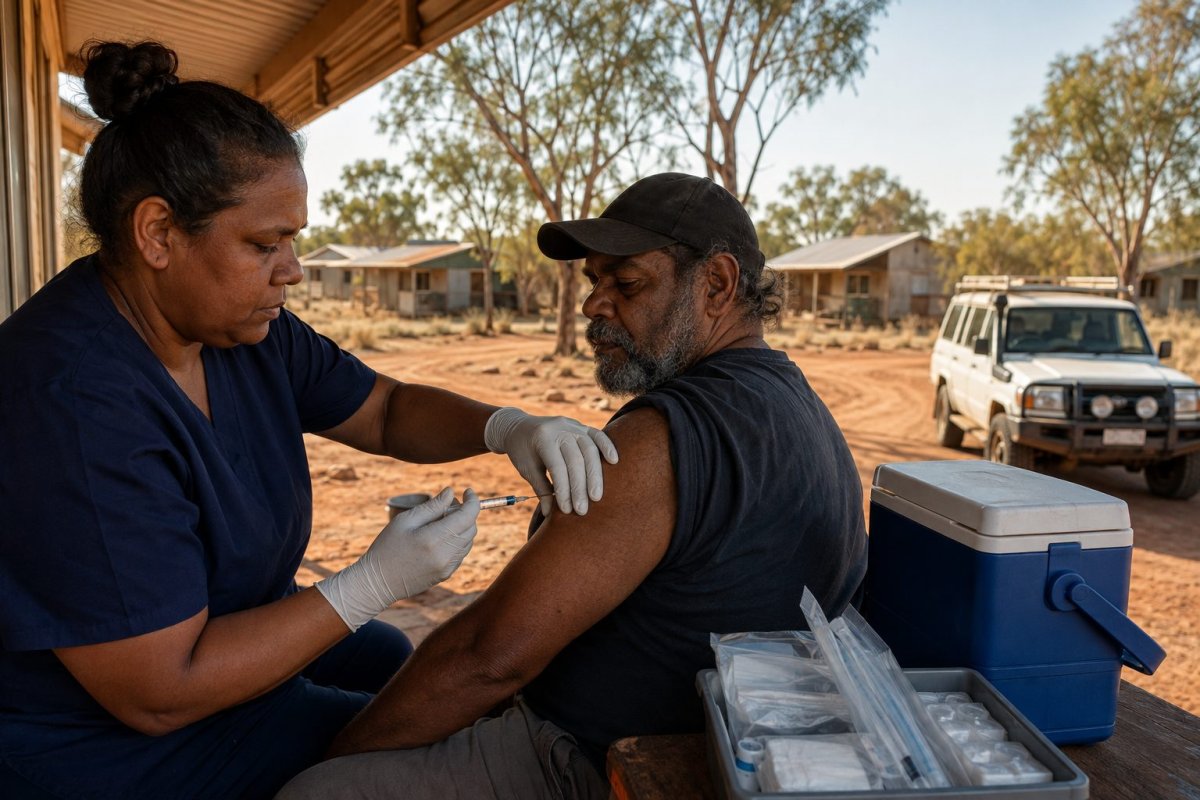
The Australian cash equity market closed for the day as the nation grapples with a record diphtheria outbreak that has exposed deep cracks in remote health infrastructure. With 538 cases reported so far in 2026, the country has surpassed its previous annual high of 31 cases in 2022 by more than 17 times, prompting a A$13 million federal response package.
The outbreak, which has primarily affected Aboriginal and Torres Strait Islander communities in remote areas, has become a critical test for public health logistics, housing policy, and medical supply chains. The funding, which equates to roughly A$24,200 per reported case, covers vaccines, antibiotics, additional healthcare personnel, contact tracing, and A$3 million directed to community-controlled support groups.
However, epidemiologists and health experts warn that the outbreak cannot be solved by vaccination alone. According to the Australian Centre for Disease Control (CDC), 87.3% of respiratory diphtheria cases had at least three valid vaccine doses, suggesting that waning immunity and transmission in overcrowded, unsanitary conditions are key drivers. Adrian Esterman, an epidemiologist at Adelaide University, told ABC News: “We can vaccinate until the cows come home, but it won’t help unless they do something about housing and sanitation.”
The geographic concentration of cases is striking. As of August 10, the Northern Territory reported 274 cases and Western Australia 217, while South Australia and Queensland combined for just 22. Nearly 99% of locally acquired infections were in outer-regional, remote, or very remote areas, and 95.5% of confirmed cases were among Aboriginal and Torres Strait Islander people.
The outbreak's trajectory has slowed recently, with 26 new cases in the two weeks leading to August 25, down from a peak of nearly 80 in late May and early June. However, the total still rose by 25 compared to the CDC’s August 10 update, which had reported 513 confirmed cases and 95 hospitalizations, representing an 18.5% hospitalization rate. One fatality has been attributed to diphtheria, though some admissions were due to infection-control protocols.
For investors, the direct impact on listed equities is dispersed, but the outbreak underscores the importance of monitoring public health spending, medical logistics, and remote housing construction. The A$4 billion, ten-year remote housing pledge by Canberra and the Northern Territory—308 times larger than the outbreak response—aims to deliver up to 270 homes annually and reduce overcrowding by 50%. This initiative is seen as critical preventative health infrastructure, as poor housing and sanitation directly facilitate the spread of the bacterium.
Australia’s childhood immunization coverage for five-year-olds stood at 93.4% in September 2025, but has declined since 2020. Boosters among adults in affected regions have increased, yet the disparity highlights the need for localized, age-targeted interventions rather than relying on national averages. The CDC has issued a major incident status, and biweekly updates are being closely watched by health officials and investors alike.
Risks remain, including potential underreporting that could exaggerate the apparent decline in new cases, and reporting delays that may revise the most recent two-week figures. Setbacks in remote housing or health delivery could prolong emergency spending and exacerbate social impacts. As the outbreak evolves, the market will be watching for sustained drops in case numbers, which would reduce the need for surge funding, while continued high case loads could signal a broader infrastructure deficit with long-term implications for public health and fiscal policy.