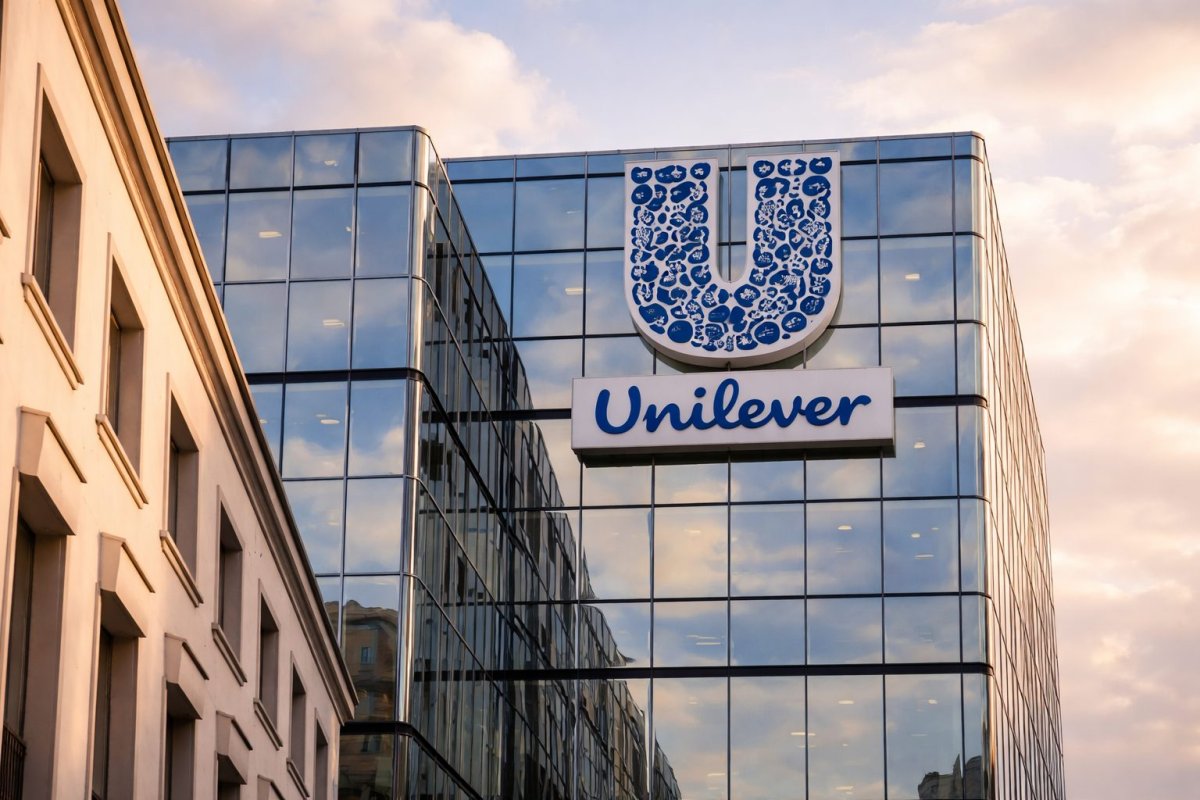
Unilever PLC has announced a strategic acquisition of Grüns, a prominent United States-based greens supplement brand, as part of its intensified focus on the health and wellness sector. The move comes just over a week after the consumer goods giant revealed plans to combine its food division with spice and flavoring company McCormick & Company. Financial details of the Grüns transaction were not made public, with the acquisition expected to finalize later this year pending regulatory approvals and customary closing conditions.
Strategic Shift Toward Wellbeing
This acquisition underscores Unilever's deliberate pivot away from its legacy food operations toward high-growth categories centered on beauty, wellbeing, and home care. The company has been systematically building a portfolio in the vitamins, minerals, and supplements (VMS) segment. Grüns, founded by Chad Janis in 2023, specializes in gummy-based daily nutrition products packed with fruits, vegetables, and vitamins, and is recognized as a leading player in the US greens supplement market. According to a Reuters report, Grüns achieved a valuation of approximately $500 million during a Series B funding round anticipated in 2025.
Building a Supplement Powerhouse
With the addition of Grüns, Unilever further expands its already substantial supplement holdings, which include brands such as Nutrafol, SmartyPants Vitamins, and Olly Nutrition. Grüns reaches consumers through both retail and direct-to-consumer channels. Jostein Solheim, head of Unilever Wellbeing, described the deal as "a significant opportunity" for growth, while founder Chad Janis expressed confidence that the partnership would enable the brand to "reach more people" moving forward.
The wellness category represents a critical growth engine for Unilever. Its Beauty & Wellbeing division reported turnover of €12.8 billion for 2025, accounting for roughly a quarter of the group's total sales. The company highlighted double-digit growth in its wellbeing segment last year, with standout performances from Nutrafol, Liquid I.V., and Olly.
Context of the McCormick Transaction
The Grüns deal marks Unilever's first acquisition following the landmark March announcement to merge its food business with McCormick. That transaction valued Unilever's food arm at $44.8 billion and established the combined entity's worth at nearly $65 billion. Under the agreement, Unilever and its shareholders will control 65% of the new company, with Unilever receiving $15.7 billion in cash. Chief Executive Fernando Fernandez characterized the food separation as "the right step at the right time."
Should Unilever complete the separation of its food operations, analysts note it will be positioned for more direct comparison with pure-play personal-care and beauty companies like L'Oréal and Procter & Gamble. Reuters observed that Unilever's stock currently trades at a cheaper forward earnings multiple than these rivals, with some shareholders anticipating a potential narrowing of that discount if the corporate overhaul proves successful.
Market Reaction and Challenges
Despite the strategic rationale, Unilever's transformation faces headwinds. Investors and analysts have flagged potential integration complexities, regulatory hurdles, and timing issues associated with the McCormick deal. Chris Beckett of Quilter Cheviot noted bluntly that the market has "not reacted well" since the food merger news was announced. The undisclosed price of the Grüns acquisition also makes it difficult for investors to assess the immediate impact of this smaller transaction.
Grüns is seen as an asset prized more for its growth trajectory than its current scale. The acquisition provides Unilever with another US supplement label boasting scientific credentials, enabling the conglomerate to push its portfolio deeper into the health arena and further distance itself from the traditional food categories it is actively reshaping.
The broader pivot, however, remains a complex undertaking. As Unilever executes this strategic shift, it must navigate execution risks while convincing the market of the long-term value creation potential in the competitive wellness and personal care landscapes.