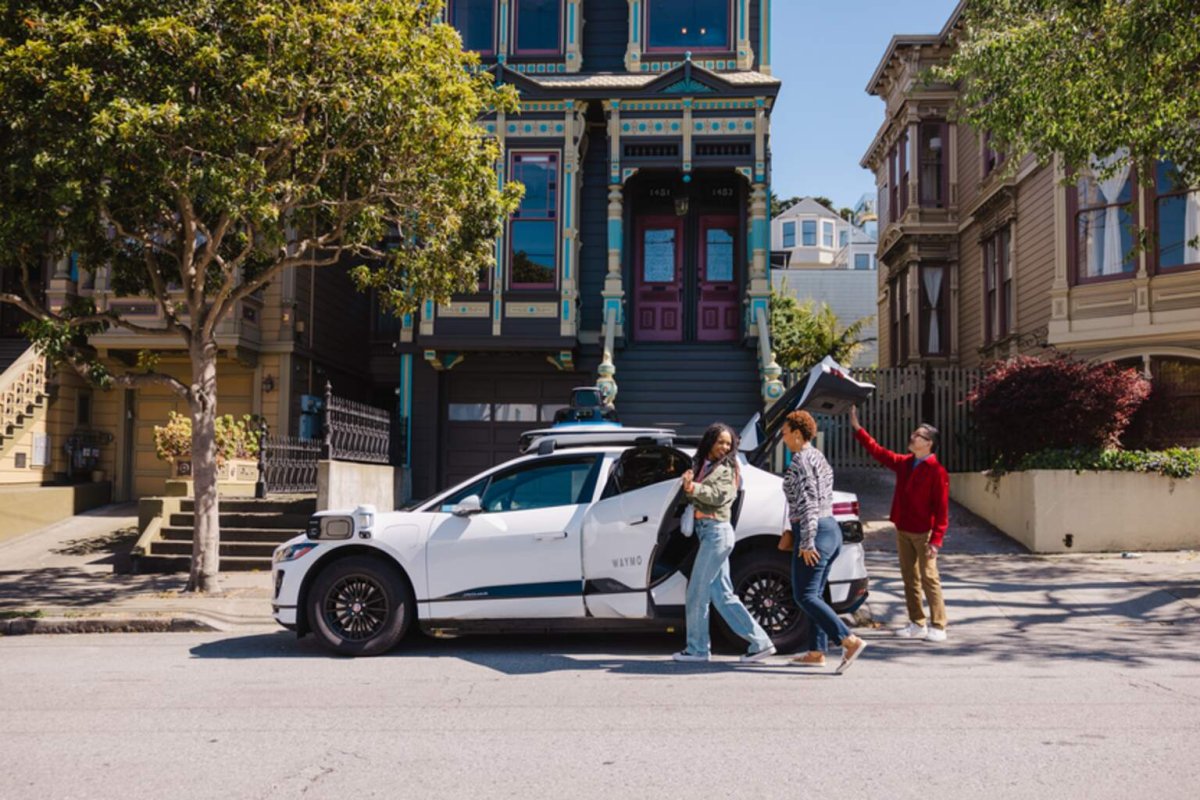
Waymo's recent high-risk stop in San Francisco, where police recovered a firearm from a driverless vehicle, has ignited a debate about the privacy bargain underpinning robotaxi safety. The incident, which occurred on September 3, has left a critical question unanswered: did software or a human detect the weapon? This distinction is pivotal as Alphabet's autonomous driving unit seeks to convince millions of new riders to accept cabin cameras as part of the safety framework.
According to the San Francisco Police Department, officers conducted a high-risk stop of an autonomous vehicle in the Richmond District shortly before 4 a.m., detaining two juvenile passengers. Police reported recovering a loaded, unserialized AR-style firearm, suspected marijuana, and mace spray. Waymo later confirmed its vehicle was involved, stating that it detected a firearm-related violation of its terms, pulled over, contacted emergency services, and cooperated with law enforcement.
The incident itself is an open police matter and not evidence of a defect in the Waymo Driver. In fact, it demonstrates the system's ability to identify a prohibited item and stop safely, without endangering a human driver. However, investors and regulators are increasingly focused on how Waymo's cabin cameras operate and the potential privacy implications.
Camera Use and Privacy Policy
Waymo's rider rules prohibit weapons and generally bar unaccompanied minors, except for linked teen accounts where available. The company's services privacy policy, updated August 25, states that video is recorded inside the vehicle during trips. This information can be used to address illegal activity, security threats, and violations of customer agreements, and may be disclosed to law enforcement under specified legal or safety circumstances.
However, Waymo has not disclosed whether an automated system flagged the firearm, a remote support employee observed it, or another report prompted a review. Describing the car as having recognized a loaded ghost gun goes beyond the confirmed facts. Police determined the weapon's nature after the stop; Waymo's statement only indicates that it detected a terms violation involving a firearm.
Privacy and Labor Implications
The gap between what Waymo has confirmed and what remains undisclosed is not merely semantic. A narrowly designed safety alert, a live human review, and generalized automated cabin analysis each carry different privacy, labor, and false-positive risks. Waymo's August 24 privacy statement asserts that its cameras are intended to operate the service safely and improve technology—not to surveil people or identify them through facial recognition or other biometrics. Explaining this incident without exposing security procedures would give riders a concrete test of that promise.
Investor Perspective and Scale
From an investor standpoint, one police intervention is not financially material to Alphabet. Class A shares closed September 11 at $338.50, up 1.77%, and there is no evidence linking the move to this incident. The broader context is Waymo's rapid expansion. On September 1, the company announced that its public service had reached 14 cities, and a February funding round valued the business at $126 billion post-money.
Scale magnifies both the benefits and risks of cabin cameras. More rides mean more opportunities for cameras and remote support to prevent harm, but also more chances for disputes over what is recorded, who reviews it, how intervention decisions are made, and when data reaches authorities. These questions can affect municipal permissions, rider adoption, and the cost of support operations, even when the driving system performs correctly.
Financial Context
Alphabet does not disclose Waymo as a separate reporting segment. Its second-quarter filing showed $382 million of revenue and a $1.80 billion operating loss for Other Bets, a category that includes more than Waymo. While neither figure can be attributed solely to the robotaxi unit, the loss highlights the importance of execution discipline. Every additional review layer, support escalation, and regulatory requirement sits between expanding ride volume and an eventual economic return.
Counterargument and Next Steps
The strongest counterargument is also the simplest: the system worked, the alleged misconduct belonged to the passengers, and Waymo's published rules already tell riders that cabin video is recorded. That is fair. The next proof point is whether Waymo can explain the boundary between safety detection and surveillance clearly enough that a successful intervention strengthens trust instead of creating a new reason to hesitate before booking.