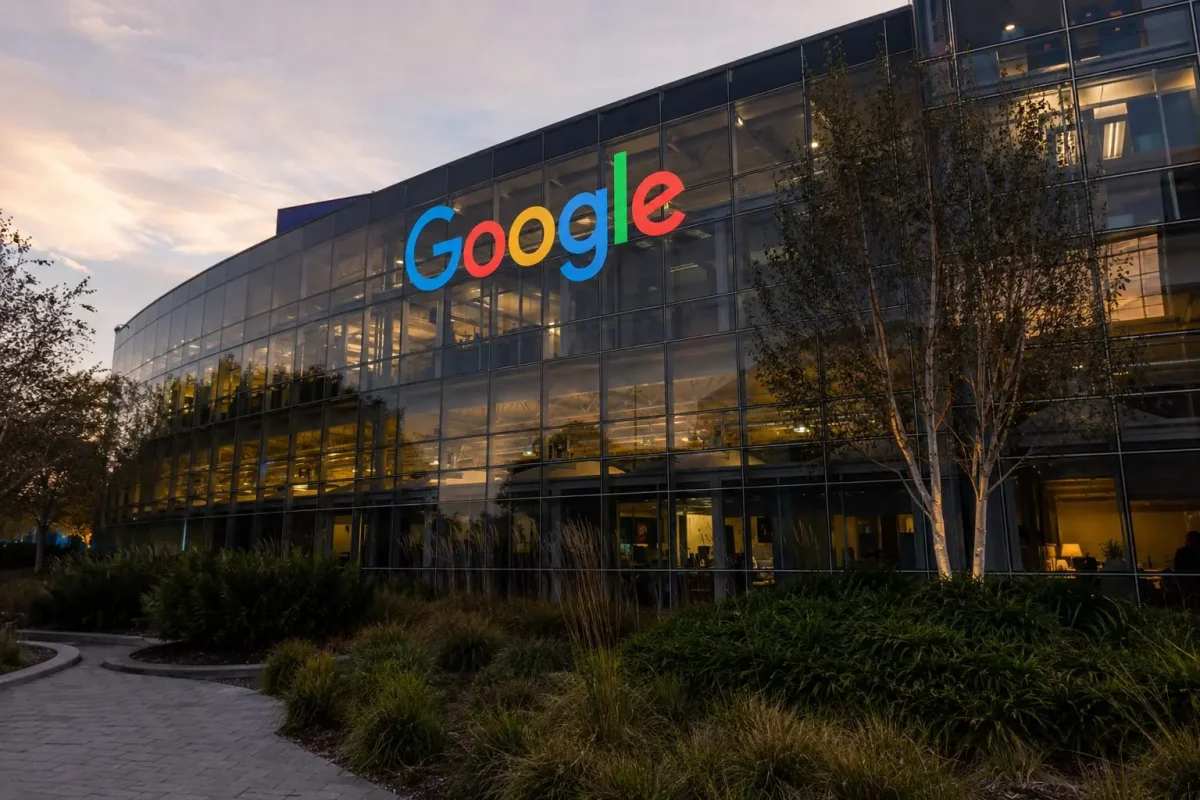
Alphabet Inc. (NASDAQ: GOOGL) experienced a turbulent week, with its Class A shares closing Friday at $319.74, a modest 0.65% gain on the day. However, the stock shed 7.8% over the week, significantly underperforming the Nasdaq Composite, which declined 2.0% during the same period. The sell-off followed the company's second-quarter earnings report, which revealed a sharp rise in capital spending and a historic negative free cash flow.
Capital expenditures in the second quarter doubled year-over-year to $44.9 billion, as Alphabet continues to invest heavily in infrastructure, particularly in cloud computing and artificial intelligence. This aggressive spending pushed free cash flow into negative territory for the first time, at -$5.9 billion, compared to a positive $5.3 billion in the same quarter last year. The market's reaction underscored investor concerns about the pace of spending relative to cash generation.
Despite the spending concerns, Alphabet reported robust revenue growth. Total revenue rose 24% to $119.8 billion, with Search revenue up 17%. Google Cloud was a standout, posting an 82% revenue surge to $24.8 billion, while its operating income more than tripled to $8.8 billion. Cloud operating margin expanded to 35.6%, up from 20.7% a year ago, though the company warned that margins may face near-term pressure as it rents additional third-party capacity in the third quarter.
A significant factor in the quarter's reported profit was a $99.0 billion gain from equity securities, contributing $6.26 per share. This gain accounted for approximately 69% of Alphabet's reported earnings per share of $9.11. Excluding this one-time item, the trailing price-to-earnings ratio would rise from 16.1 to about 23.4 times, making the stock appear less inexpensive on an adjusted basis. Adjusted earnings missed analyst estimates by four cents per share, adding to investor unease.
Operating cash flow grew 41% to $39.1 billion, but this was outpaced by the doubling of capital spending. The capital spending-to-revenue ratio rose to 37.5% in Q2 2026, compared to 23.3% in the same quarter last year. Chief Financial Officer Anat Ashkenazi noted that demand continues to outpace investment, and the company plans to add more third-party capacity in the coming months, which is expected to weigh on Cloud margins temporarily.
In a sign of expanding infrastructure, Verizon Communications (NYSE: VZ) announced Friday it had signed a Google dark-fiber deal valued at over $1 billion. The deal highlights the growing demand for network capacity as Alphabet scales its cloud and AI services. The market remains divided on Alphabet's outlook, with at least 20 brokerages raising their price targets following the earnings, setting a median target of $430. However, Peter Andersen, CEO of Andersen Capital Management, expressed caution, stating that the fear of missing out is becoming more like a fear of massive overbuilding.
Investor focus now shifts to Alphabet's major competitors, with Microsoft (NASDAQ: MSFT), Amazon.com (NASDAQ: AMZN), and Meta Platforms (NASDAQ: META) all set to report results next week. Analysts expect these companies to show similarly high capital spending ratios, with Meta projected at 54.9% of revenue, Microsoft at 45.0%, and Amazon at 25.0%. The upcoming reports will help determine whether Alphabet's spending trajectory is an outlier or a new industry norm.
Adding to the macro backdrop, the Federal Reserve's policy decision on Wednesday will provide another benchmark for valuation. Alphabet faces near-term risks from margin compression due to rented computing capacity and a projected sharp increase in capital expenditures in 2027. The key metric for investors will be whether operating cash flow can align more closely with infrastructure spending in the coming quarters.