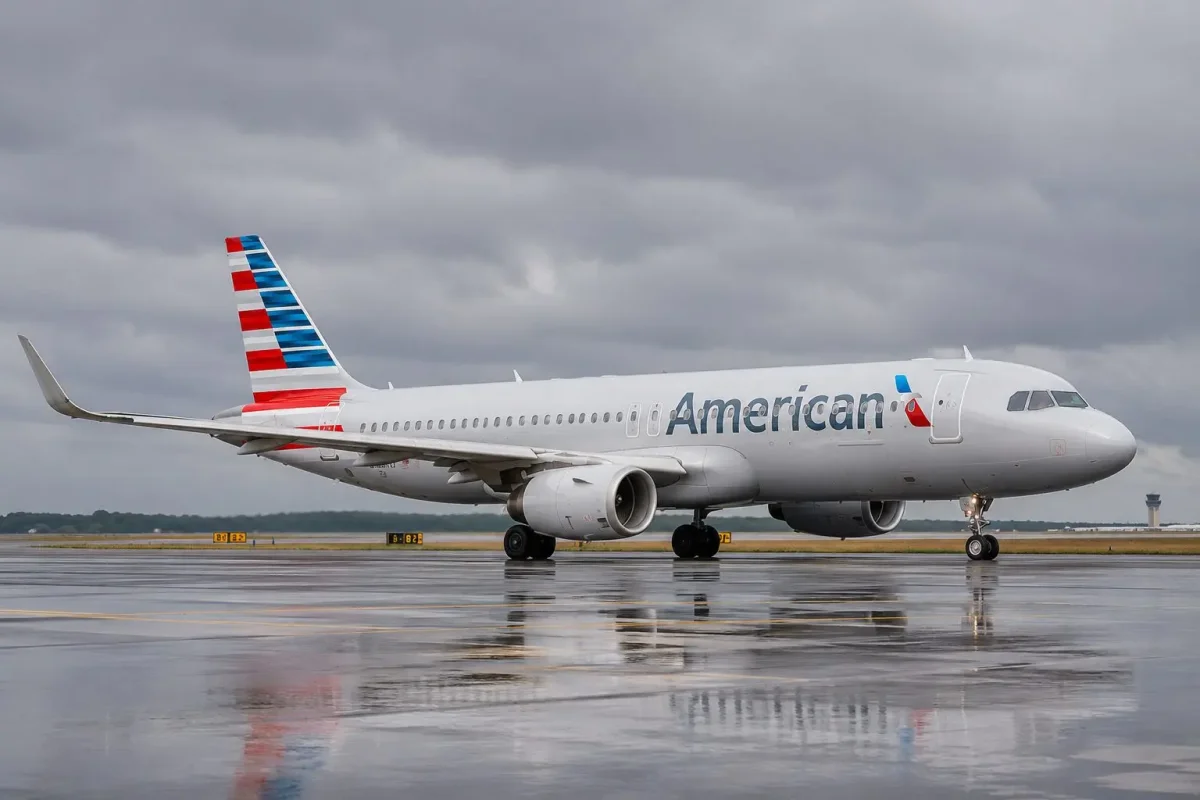
American Airlines Group Inc. (AAL) saw its stock edge up 0.56% to close at $16.08 on Monday, as investors weighed the potential benefits of a dramatic decline in jet-fuel prices against a fresh safety investigation involving one of its aircraft.
Fuel cost tailwind
The drop in jet-fuel prices has emerged as a major market theme for U.S. carriers this week. According to Reuters, U.S. jet-fuel spot prices stood at $2.85 per gallon as of June 17, down sharply from $4.88 in early April. If sustained, this decline could reduce the U.S. airline industry's annual fuel bill by more than $40 billion, providing a significant earnings boost for carriers that have been grappling with elevated costs.
Fuel expenses typically rank among the largest operational costs for airlines, and the recent price slump represents a reversal from earlier in the year when soaring fuel prompted American Airlines to cut its profit outlook for 2026. The company had previously forecast an additional $4 billion to $5 billion in fuel costs for the year, but the new pricing dynamics could ease that burden.
Safety probe clouds sentiment
However, the positive fuel news was tempered by a National Transportation Safety Board (NTSB) investigation into a near-miss incident at Boston Logan International Airport on Saturday. The incident involved a Delta Air Lines (DAL) A319 and an American Airlines 737-800 that were cleared for takeoff from intersecting runways. No injuries were reported, but the Federal Aviation Administration (FAA) is also looking into the matter. Safety-related stories can weigh on airline stocks, particularly if they raise regulatory or operational concerns.
Analyst views and market context
Bank of America (BofA) raised its price target for American Airlines to $16 from $14, maintaining a Neutral rating, citing strong demand and the stock's performance heading into second-quarter results. The airline industry has shown resilience in demand, with American posting a record first-quarter revenue of $13.9 billion, though a GAAP net loss of $382 million and total debt of $34.7 billion remain headwinds.
Deutsche Bank noted that U.S. carriers have recovered about 60 cents for every extra dollar spent on fuel through fare hikes and fees, but Reuters reported that Delta, United, and American only recouped between 40% and 50% of fuel cost increases in the second quarter. Melius Research analyst Conor Cunningham emphasized the importance of the industry's "ability to hold price," while Goodbody analyst Dudley Shanley pointed out that fare relief hinges on consumer strength.
Competitive landscape
The airline sector presents a mixed picture. Delta is widely viewed as the straightforward profit leader, while United Airlines focuses on international and premium travel. For American, the bullish case rests on operational improvements: maintaining recent fare increases, expanding premium seating, sustaining corporate travel demand, and leveraging cheaper fuel to rebuild margins.
American CEO Robert Isom, speaking at a Bernstein investor conference last month, described demand as "K-shaped," with higher-income travelers spending more than lower-income ones, but noted that second-quarter bookings and corporate travel remained strong.
Broader market impact
The broader market ended Monday lower, with the S&P 500 and Nasdaq slipping amid tech weakness. Oil prices fell as U.S.-Iran talks showed signs of progress, further supporting the fuel cost narrative. However, airlines are not yet operating in a full risk-on environment. Margin gains could prove short-lived if oil prices rebound or leisure travel demand softens.
For American Airlines, the key challenge now is to demonstrate that lower fuel costs are sustainable and that passengers will not push back on fares. The stock's next moves may depend more on whether the carrier can convert fuel savings into profit rather than on pricing strategy alone.