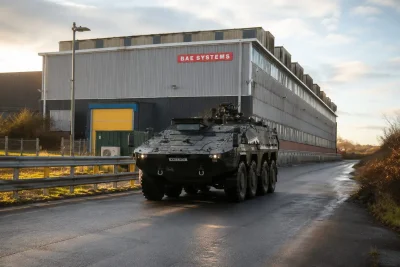
Shares of British defense contractor BAE Systems advanced sharply on Monday, March 2, 2026, climbing 6.1% to close at 2,241.34 pence in London trading. The move stood in stark contrast to a broader decline across European equity markets, highlighting a significant sector rotation as investors reacted to heightened geopolitical risks.
Geopolitical Jitters Fuel Sector Rotation
The defense sector emerged as a clear beneficiary of escalating tensions in the Middle East. Investors shifted capital toward companies perceived as likely to gain from increased military spending and prolonged security concerns. This rally included European peers such as Germany's Rheinmetall, Sweden's Saab, and Italy's Leonardo, which all posted gains while most other market segments retreated.
Paolo Zanghieri, a senior economist at Generali Investments, provided analysis on the situation, noting that recent coordinated military actions involving Israel and the United States against Iran appear "explicitly aimed at regime change." He further suggested that the current campaign would likely extend longer than the brief conflicts witnessed in the previous year, reinforcing the narrative for sustained defense expenditure.
Broader Market Pressures and Inflation Watch
While defense stocks found favor, the overall market sentiment was risk-averse. European shares fell sharply, with airlines and financial institutions bearing the brunt of the selling pressure. The simultaneous spike in crude oil prices added another layer of complexity, tightening financial conditions and stoking concerns about persistent inflation—a combination that typically weighs on cyclical sectors.
Investors are now turning their attention to upcoming economic data for further direction. A Purchasing Managers' Index (PMI) survey indicated that UK factory activity expanded for a second consecutive month in February, with a reading above the 50-point threshold that signifies growth. This data point is closely monitored for implications on interest rates and government fiscal policy.
BAE Systems' Strategic Position
The bullish case for BAE Systems continues to be underpinned by a global trend of rising defense budgets, particularly among NATO member states and allied nations—a theme that has attracted investor capital consistently since 2022. The company's most recent annual report underscored this strength, revealing an order backlog at record levels and providing guidance for increased sales and operating profit through 2026.
This fundamental backdrop provides a longer-term foundation for the stock, even as daily price movements can be volatile and driven by headline risk.
The Fragility of the "War Premium"
Market analysts caution that the sudden uplift in defense and energy stocks, often termed a "war premium," can prove transient. Should geopolitical tensions de-escalate or critical global shipping lanes resume normal operations without further disruption, the speculative premium built into these sectors could rapidly unwind as traders adjust their positions.
Key Data on the Horizon
The immediate focus for traders is the release of the flash estimate for February euro zone inflation, scheduled for Tuesday by Eurostat. This figure is anticipated to be a major catalyst, potentially reshaping expectations for European Central Bank interest rate policy and setting the tone for equity markets for the remainder of the trading week.
Investors are thus navigating a complex landscape of mixed signals, weighing robust corporate fundamentals in the defense industry against macroeconomic data points and an unstable geopolitical climate that continues to dictate short-term market flows.