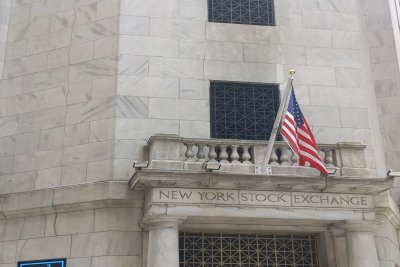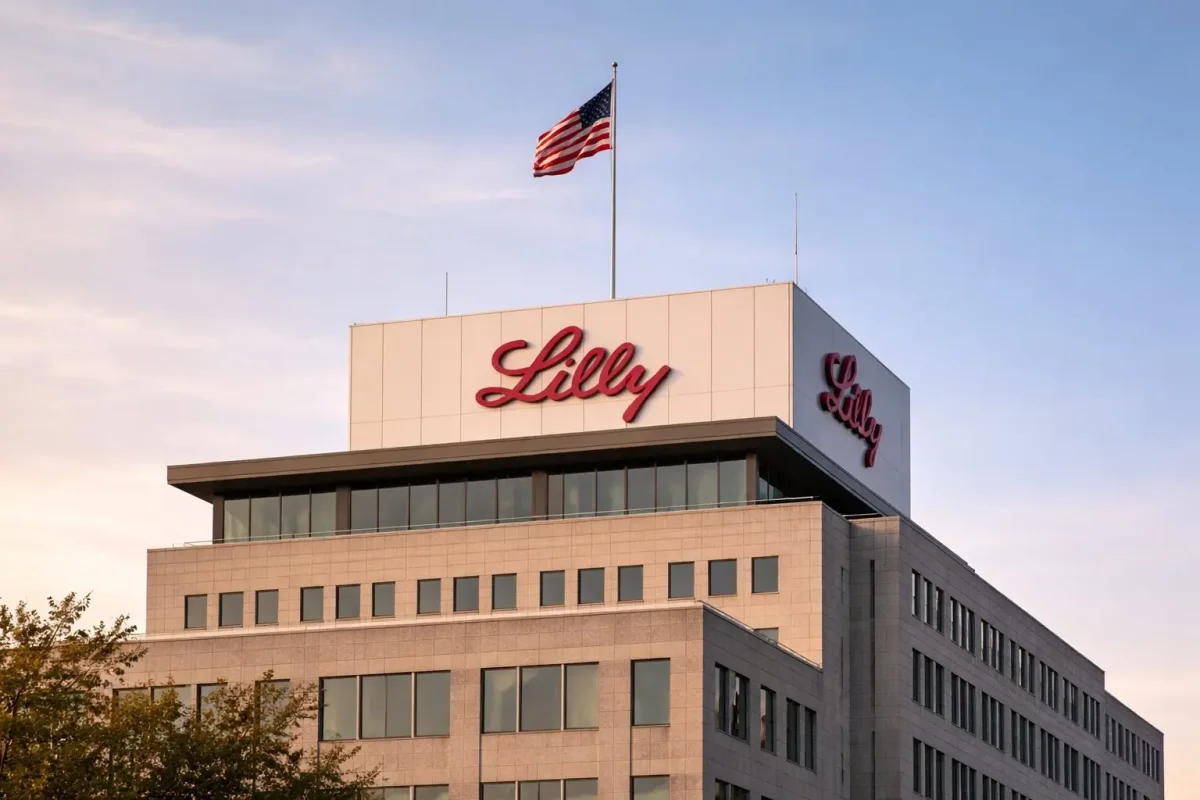
Shares of Eli Lilly and Company traded lower during Monday's session, closing down 2.3% at $1,028.07. The stock experienced notable intraday volatility, reaching a high of $1,056.84 and a low of $1,023.50. The pharmaceutical giant now commands a market valuation of approximately $686 billion.
Market Context and Sector Performance
The decline occurred against a mixed market backdrop. While the broader S&P 500 index edged higher, the healthcare sector faced notable pressure. The Health Care Select Sector SPDR Fund (XLV), an exchange-traded fund tracking major U.S. healthcare companies, fell roughly 0.9%. This sector-specific weakness highlighted a rotation away from health stocks during the session.
Lilly's stock is particularly sensitive to news flow regarding its metabolic disease portfolio, which includes highly anticipated weight-loss and diabetes treatments. The company's premium valuation reflects significant growth expectations, leaving little room for operational missteps. Consequently, even minor shifts in perceived demand, manufacturing supply, or pricing dynamics can trigger amplified moves in the share price.
Strategic Approval in China
In product development news, Innovent Biologics announced that Chinese regulators have granted approval for a new indication of the cancer drug Jaypirca (pirtobrutinib), which is partnered with Lilly. The clearance is for treating chronic lymphocytic leukemia or small lymphocytic lymphoma in patients who have previously undergone at least one therapy with a BTK inhibitor.
Data from a pivotal late-stage trial demonstrated that Jaypirca delayed disease progression for a median of 14.0 months, a significant improvement over the 8.7-month median observed with prior standard regimens. A Lilly executive described the regulatory milestone as important for patients needing alternatives after initial BTK therapies. While this approval strengthens Lilly's oncology portfolio, it does not address the core investor narrative, which remains squarely focused on the company's metabolic disease franchise.
Core Focus: The GLP-1 Pipeline
The primary driver for Lilly's investment story continues to be its portfolio of GLP-1 receptor agonists, drugs designed to mimic a gut hormone that suppresses appetite and lowers blood sugar. Market attention is intensely fixed on the speed of market access expansion for these therapies and Lilly's ability to maintain net pricing in a competitive landscape.
On February 12, the company disclosed a substantial build-up of pre-launch inventory for its experimental oral GLP-1 pill, orforglipron. The value of this inventory stockpile has surged to $1.5 billion, up from approximately $550 million just one year ago. This aggressive accumulation underscores Lilly's operational readiness to launch the therapy quickly upon receiving regulatory approval from the U.S. Food and Drug Administration (FDA), which is anticipated in April.
Clinical Data and Competitive Landscape
Recent clinical data presents a mixed picture for orforglipron. Results released on February 26 showed that the Lilly pill outperformed Novo Nordisk's oral semaglutide (marketed as Rybelsus) in both blood sugar control and weight reduction in a head-to-head comparison. However, the higher-dose regimen of orforglipron was associated with increased rates of gastrointestinal side effects and a higher rate of treatment discontinuation, raising some concerns among analysts and investors.
Investors are also monitoring competitive dynamics, particularly with Novo Nordisk. Novo's U.S.-listed shares showed little movement during Monday's session.
Upcoming Catalysts and Events
Market participants are looking ahead to several key events. Lilly's Chief Financial Officer, Lucas Montarce, is scheduled to speak at the TD Cowen Annual Health Care Conference at 3:10 p.m. Eastern Time, where he may provide incremental updates.
The next major scheduled catalyst is the company's first-quarter earnings call, set for April 30. In the interim, investor focus will remain on any new information regarding the supply capacity for obesity drugs, clarity on pricing strategies, and the timeline for the FDA's final review decision on orforglipron in the United States. The confluence of these factors will likely continue to drive volatility in Lilly's stock as the key April approval date approaches.