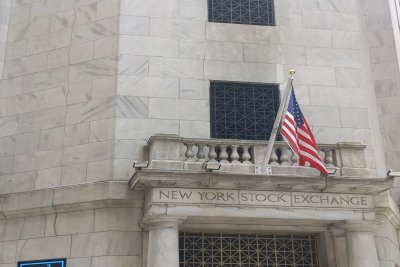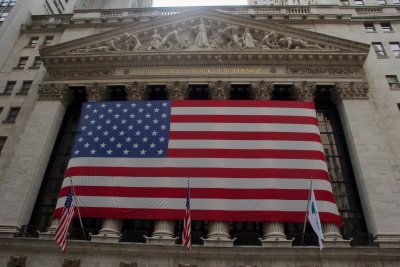
U.S. stock markets rallied sharply on Friday, April 17, 2026, with the S&P 500 and Nasdaq Composite reaching fresh intraday peaks. The Dow Jones Industrial Average also advanced, climbing to its highest level in more than two months. The bullish sentiment was triggered by an announcement from Iran that it would keep the strategically vital Strait of Hormuz open to commercial maritime traffic throughout a planned 10-day ceasefire. Economists viewed the development as a critical move toward potentially de-escalating regional tensions.
Oil Price Plunge Fuels Market Optimism
The significance of the strait, a chokepoint for approximately 20% of the world's seaborne oil, was immediately reflected in commodity markets. Both Brent and West Texas Intermediate crude futures tumbled below $90 per barrel, a threshold not breached in over five weeks. This decline alleviated some concerns about persistent inflationary pressures and rekindled speculation that the Federal Reserve could implement interest rate reductions in the latter part of the year. Analysts suggested that cheaper energy costs might provide the central bank with greater flexibility to shift its policy focus.
The market advance was broad-based, extending beyond mega-cap technology shares. The Russell 2000 index, which tracks smaller U.S. companies, also notched a new intraday high, its first since the onset of the recent conflict. This movement indicated renewed investor appetite for assets sensitive to borrowing costs as oil prices retreated.
Sector Moves and Corporate Performance
At its peak during the session, the S&P 500 gained 1.2%, while the Dow jumped nearly 2% and the Nasdaq rose about 1.1%. The drop in crude prices weighed heavily on energy giants; shares of Exxon Mobil (XOM) and Chevron (CVX) each fell roughly 5%. In contrast, American Airlines (AAL) soared approximately 8%, benefiting from the prospect of lower jet fuel expenses. Market observers noted the reopening could offer some relief for energy costs and, eventually, consumers, even if the resumption of shipping traffic occurs gradually.
Friday's gains extended a remarkable rebound for equities. The S&P 500 has surged about 11% since its low on March 30 and this week broke through the 7,000 level for the first time. Historical analysis indicates that the index's recovery from a 5-10% pullback to a new record in just 11 trading days is an exceptionally rare event, not witnessed since at least 1928. Investor attention is now pivoting to the corporate earnings season. According to LSEG data, first-quarter profits are projected to climb roughly 14%, with reports due next week from industry leaders including Tesla (TSLA), Boeing (BA), Intel (INTC), and Procter & Gamble (PG).
Bank Earnings and Individual Stock Highlights
Financial sector results have provided a tailwind for market sentiment. Truist Financial (TFC) reported a 36.3% jump in its investment banking and trading revenue for the first quarter, aligning with strong performances recently posted by JPMorgan Chase (JPM), Bank of America (BAC), and Citigroup (C). While market volatility has been beneficial for trading operations, bank executives remain cautious regarding the broader economic outlook.
Not all moves were positive. Netflix (NFLX) shares dropped over 10% following a subdued business outlook and news that co-founder Reed Hastings is stepping down from his executive role. Analysts pointed out the company faces mounting pressure to diversify its revenue model beyond pure subscriptions as the advertising segment grows in importance.
Persistent Risks and Cautionary Notes
Despite Friday's market relief, significant uncertainties cloud the immediate return to normal shipping operations. Major shipping firms have expressed concerns, stating they lack clarity on the locations of naval mines, safe transit corridors, and the specific terms Iran will impose for vessel passage. A U.S. Navy advisory has amplified this caution, highlighting unresolved threats from mines in certain areas of the waterway and recommending that commercial operators consider avoiding the region altogether.
Consequently, traders continue to monitor oil and freight markets closely, irrespective of the equity rally. The European Union has flagged potential jet-fuel shortages, with officials prepared to tap strategic reserves if supply disruptions persist. On the flow-of-funds front, U.S. equity funds attracted $21.25 billion in net inflows for the week ending April 15, signaling that investors are returning to the stock market.