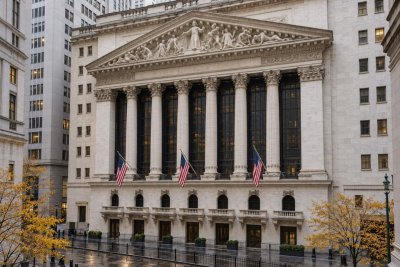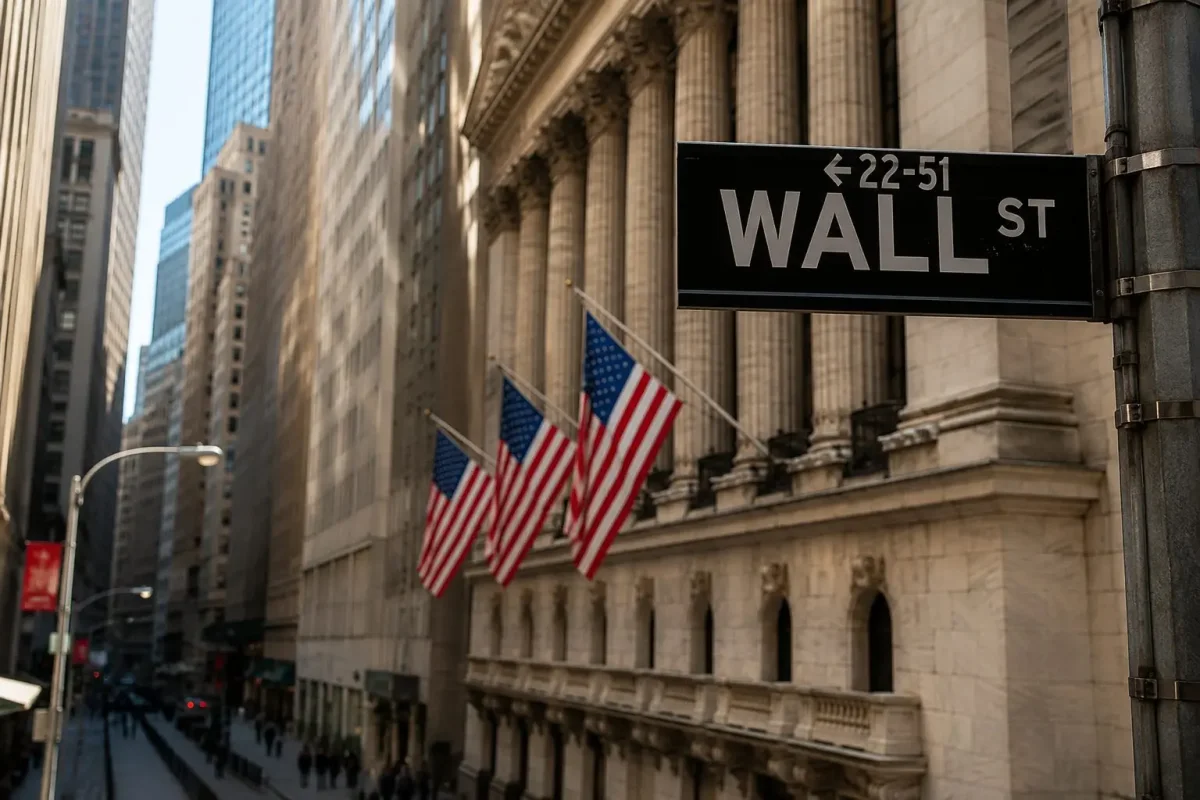
NEW YORK, July 25, 2026 — U.S. markets closed the week on a mixed note, with the Nasdaq Composite suffering a 2.1% decline, while the S&P 500 and Dow Jones Industrial Average slipped 0.6% and 0.4%, respectively. The Russell 2000, tracking small-cap stocks, fell 1.1% but remains up 18.1% year-to-date, significantly outperforming the broader indexes.
The spotlight now shifts to a pivotal week ahead, headlined by earnings from four of the largest technology companies: Microsoft (NASDAQ:MSFT), Meta Platforms (NASDAQ:META), Apple (NASDAQ:AAPL), and Amazon.com (NASDAQ:AMZN). These four firms collectively represent 17.55% of the S&P 500, surpassing the entire financials sector, which accounts for 12.37% of the index. This marks a historic moment where mega-cap tech exerts greater influence than the traditional financial backbone of the market.
Market Concentration Under Scrutiny
The increasing concentration of market weight in a handful of tech giants has become a focal point for investors. The 2.1% drop in the Nasdaq this week underscores the sensitivity of these high-valuation stocks to shifts in sentiment. Initial estimates for S&P 500 earnings still indicate robust annual growth of 26.5%, but investors are growing wary of rising capital expenditures and cash burn rates among tech firms.
Alphabet (NASDAQ:GOOGL) shares tumbled 7% on Thursday after the company raised its spending outlook and reported higher cash consumption. Tesla (NASDAQ:TSLA) plunged 14.5% following a negative free cash flow report. Intel (NASDAQ:INTC) fell 7.9% despite beating revenue and earnings projections, as the broader semiconductor index dropped 4.5%.
Fed Decision and Economic Data
The Federal Reserve is set to announce its interest rate decision on Wednesday, with markets pricing in a 38% probability of a 25-basis-point hike as of late Friday. The decision, due at 2 p.m. EDT, will be followed by remarks from Chair Kevin Warsh. Thursday’s economic data will also be critical, with median projections for second-quarter GDP growth at 2.1% and core PCE inflation estimated at 3.3% year-over-year.
Bond yields have been climbing, with the 10-year Treasury yield peaking at 4.71% before settling near 4.68%. Higher yields reduce the present value of future profits, adding pressure on growth stocks. Meanwhile, oil prices retreated, with Brent crude closing at $96.78 on Friday, down 3.88%, after briefly surpassing $100 on Thursday.
AI Spending and Cash Flow Concerns
The narrative around artificial intelligence is shifting from excitement to caution. Peter Andersen, CEO of Andersen Capital Management, remarked, “The fear of missing out is becoming more like a fear of massive overbuilding.” Analysts note that while earnings growth remains strong, free cash flow is becoming harder to sustain. Reuters analysis suggests that five hyperscalers may exceed their free cash flow by 2027, with capital expenditures projected to climb by $534 billion from 2025, while operating cash flow is only expected to grow by $340 billion.
Market concentration and cash flow dynamics are key themes as investors navigate the earnings season. The bar for tech companies has been raised; surpassing earnings expectations may no longer be sufficient to offset declining free cash flow and rising yields.
Outlook and Risks
Geopolitical risks remain, with Saturday’s strikes on Saudi oil facilities potentially wiping out Friday’s crude gains before markets open on Monday. An unexpected Fed rate increase would further weigh on expensive growth stocks. Conversely, robust cash flow combined with disciplined spending could spark a rapid recovery in tech shares.
As of Friday, the S&P 500 closed at 7,411.98, up 0.05% on the day, while the Dow advanced 0.46%. The Nasdaq slipped 0.64%. Support came from real estate, up 2.4%, and materials, up 1.44%, while technology declined 0.88%.