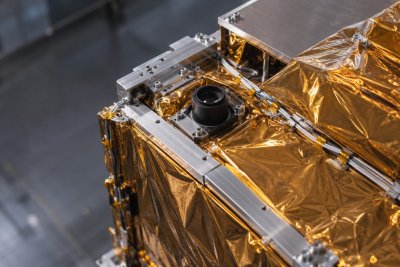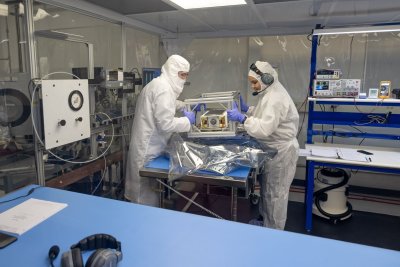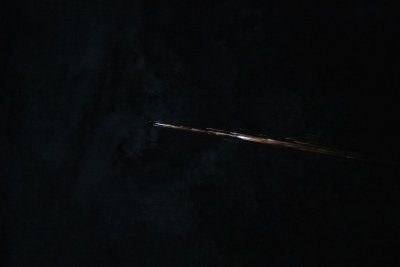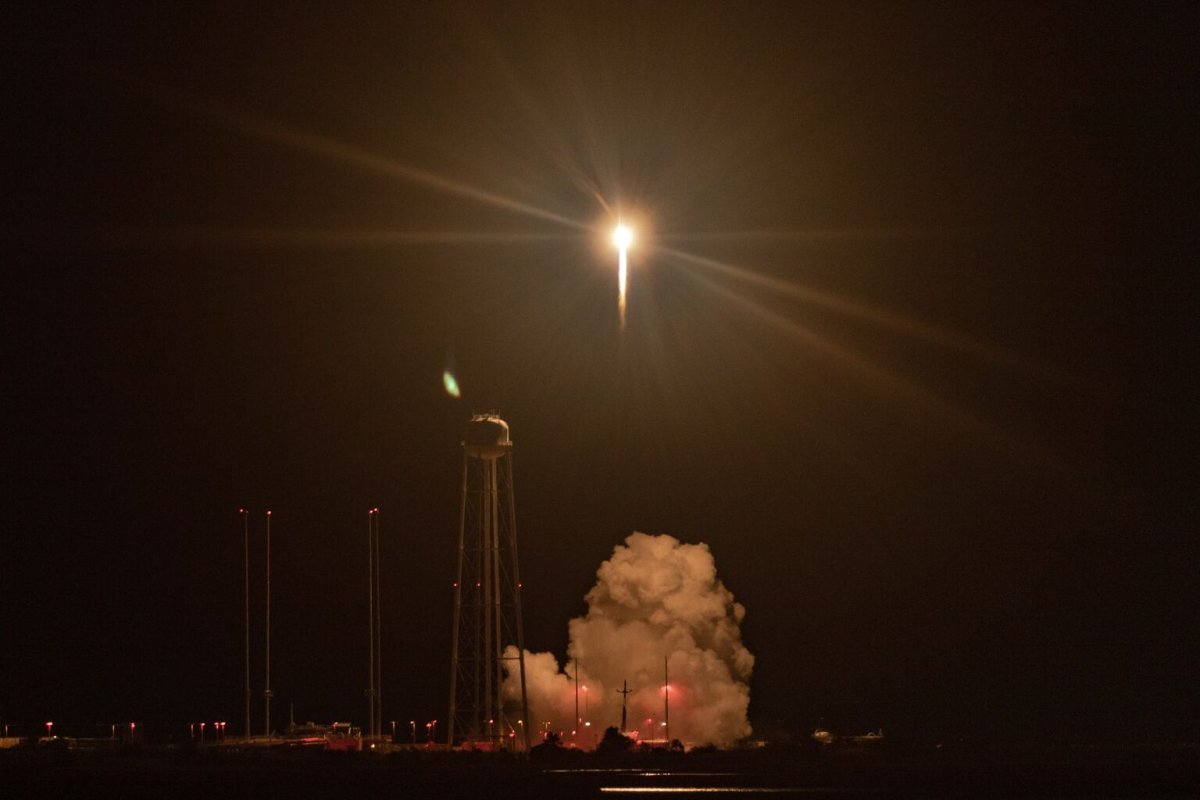
Rocket Lab (NASDAQ: RKLB) announced on Friday that it successfully deployed three HawkEye 360 (NYSE: HAWK) satellites into low Earth orbit, marking the second cluster of spacecraft purpose-built for dedicated customer collection capacity. The mission, dubbed “We’re Not Hawking Around,” lifted off from Rocket Lab’s Launch Complex 1 in Mahia, New Zealand, at 8:11 p.m. local time (07:11 UTC) on October 23, 2026.
The Electron rocket delivered the satellites to a 520-kilometer orbit, according to the company’s launch statement. This was Electron’s 98th flight overall and its 19th of the year, underscoring Rocket Lab’s cadence as a leading small-launch provider. HawkEye 360, a geospatial intelligence company, operates a growing constellation that detects and geolocates radio frequency (RF) emissions from space.
This latest cluster, designated Cluster 16, joins Cluster 15, which was launched earlier this month via a SpaceX Falcon 9 rideshare mission. Together, the two clusters comprise six satellites, all designed to support a new commercial model where collection capacity is dedicated to specific customers under multiyear agreements. HawkEye’s October 20 announcement identified these as the company’s first purpose-built dedicated-capacity spacecraft.
The shift in business strategy focuses on how satellite sensing time is allocated. Instead of pooling resources across many users, dedicated capacity prioritizes a customer’s defined area of interest. This model promises more predictable and responsive data delivery, which is critical for defense, maritime, and communications applications. However, customer access remains dependent on successful commissioning and the allocation of collection resources to each region.
HawkEye’s satellites are designed to listen for radio emissions rather than capture optical imagery. Each cluster of three spacecraft works in formation to locate a signal source by comparing differences in time of arrival and frequency across the satellites. This technique enables precise geolocation of activities on the ground or at sea, including ship identification broadcasts, emergency beacons, marine radar, and satellite-navigation jamming.
The formation-flight concept has deep roots in the program. The University of Toronto’s Space Flight Laboratory built the original Pathfinder trio, launched in 2018, which demonstrated the technology for ship tracking and other applications. Since then, HawkEye has iterated on payload and platform designs, with each successive cluster incorporating improvements.
Rocket Lab’s launch statement highlighted applications such as maritime tracking, satellite-navigation jamming detection, radar monitoring, and communications mapping. For customers in these fields, timely and reliable data is essential. HawkEye CEO John Serafini emphasized this in comments accompanying the Cluster 15 announcement: “Our customers operate in environments where timely access to signals can directly affect mission decisions.”
The ground system is equally important. HawkEye provides secure cloud processing and delivery via direct downloads or cloud access, along with an interface for scheduling and tracking collection orders. These steps transform raw RF detections into actionable intelligence.
While the launch success is a milestone, several challenges remain. Commissioning, formation control, and ground processing must all function as intended before customers can use the new capacity. The launch announcement did not specify an acceptance timetable or measured regional service improvements. HawkEye’s October 20 update confirmed contact with all three Cluster 15 satellites and the start of commissioning, but no similar confirmation has been provided for Cluster 16 yet.
As HawkEye expands its dedicated-capacity fleet, investors will be watching for evidence that the new model translates into contracted revenue and operational performance. The company’s ability to execute on these launches and integrate the new satellites into its service will be key to its growth trajectory.